
Our winery faces each campaign with a combination of technical knowledge, adaptation to the environment, and commitment to quality. Following the vine cycle is the foundation upon which we build the identity of our wines.
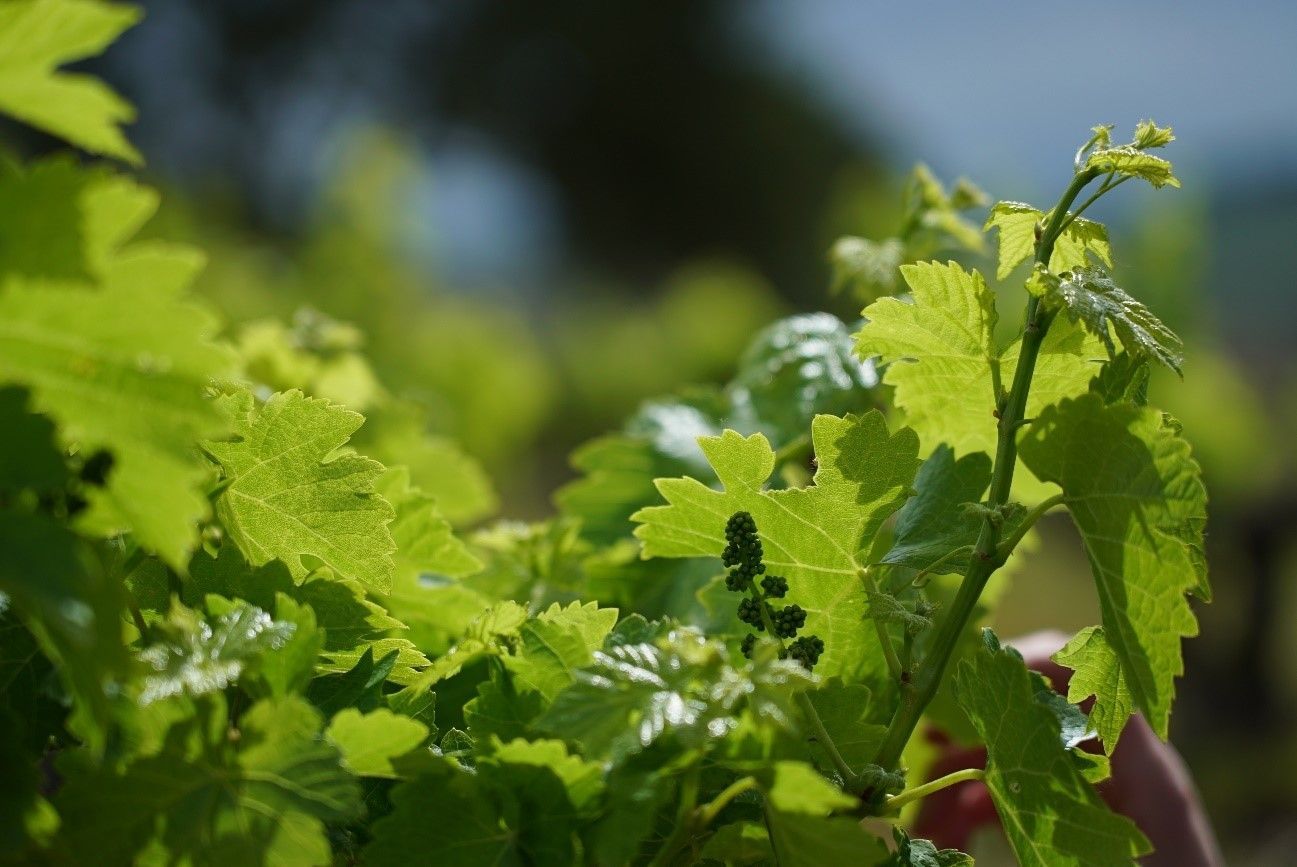
With the arrival of spring, one of the most anticipated phases of the vine cycle has begun: budburst. The buds that remained dormant during the winter began to awaken, giving way to the first green shoots. This moment, full of life and renewal, marks the beginning of the development of our future vintage.
The plant’s cycle marks the annual work rhythm at Bodega del Abad. Specifically, we specialize in elaborations with native Bierzo varieties such as Mencía and Godello.
We rigorously follow each of the cycle phases, both in the vineyard and through our blog. The process begins in winter with pruning. During this stage, the vines are at rest, and it is the time to define their structure. Pruning is manual and selective, aimed at controlling production and favoring the plant’s balance. This task is key to determining the yield of the future harvest.
This practice, which we explain in more detail in our article on dry pruning, is essential to determine the yield and quality of the next vintage.
With the beginning of spring, bud break occurs, when the buds begin to sprout. From this point, stages such as flowering, fruit set, and veraison follow. Each one requires continuous technical monitoring. The winery applies sustainable practices, adapted to the climatic conditions of El Bierzo. In this article about spring, we explain some of these details.
During the summer, the vineyard enters its veraison and ripening phase. The technical team performs periodic controls of the grape’s phenological state, its concentration of sugars, acidity, and other parameters. The harvest is scheduled based on this information, seeking the optimal point of maturity. Don’t miss how the 2024 harvest went in our winery.
After the harvest, the grapes are transferred to the winery, where the entire winemaking process will begin. The oenological intervention is aimed at respecting the characteristics of the variety and the soil. Next, the wines go through aging or other methods of elaboration, depending on the winemaker’s decisions.
The cycle closes with the preparation of the vineyard for the following year. The accumulated experience allows us to adjust technical decisions and anticipate possible risks, such as diseases.
Our winery faces each campaign with a combination of technical knowledge, adaptation to the environment, and commitment to quality. Following the vine cycle is the foundation upon which we build the identity of our wines.